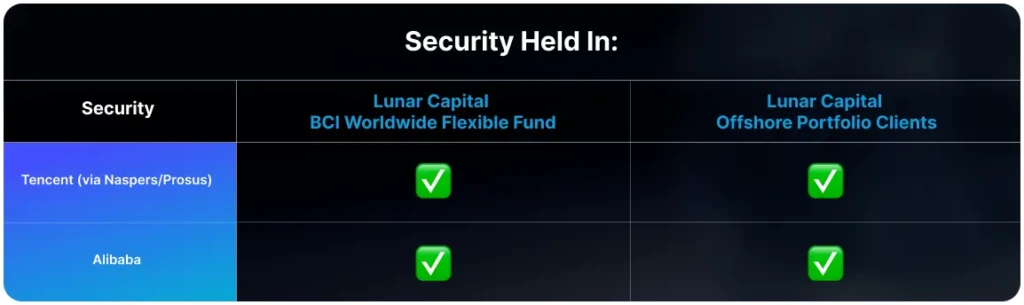
Alibaba and Tencent’s latest results offer a clear view of how China’s technology leaders are navigating the next phase of AI-driven growth, with both companies leaning heavily into the opportunity but taking different routes to get there.
Alibaba, the Chinese e-commerce and cloud giant, reported quarterly revenue of RMB 243.4 billion, up 3% year over year, while operating margin fell sharply to 0% from 12% a year earlier. The decline reflects a deliberate increase in investment, particularly across its AI and cloud businesses. This division generated RMB 41.6 billion in revenue, growing 38% year over year, with AI-related products contributing RMB 9 billion and extending a streak of eleven consecutive quarters of triple-digit growth. The company is stepping up spending to expand capacity and reinforce its position in what it sees as a long-term structural opportunity.
Alibaba is building out a full-stack AI offering that spans high-performance networking, distributed storage, cloud operating systems, and the services required for training and running models. Rather than competing in isolated parts of the value chain, it is aiming to control the broader infrastructure layer.
Importantly, this investment phase is being supported by Alibaba’s core commerce ecosystem. Taobao and Tmall is increasingly being integrated into the Qwen AI app, signalling a shift toward embedding AI across its consumer platforms. At the same time, newer initiatives are gaining traction. Quick commerce generated RMB 20 billion in the quarter, rising 57% year over year.
Tencent’s performance presents a more balanced picture. The company reported revenue of RMB 196.5 billion, up 9% year over year, with operating profit increasing 17% to RMB 67.4 billion. Growth was broad-based across its segments, with value-added services rising 4% to RMB 96.1 billion, marketing services increasing 20% to RMB 38.2 billion, and fintech and business services growing 9% to RMB 59.9 billion.
Capital expenditure, for Tencent, increased to RMB 31.9 billion from RMB 27.5 billion a year ago, reflecting ongoing investment in infrastructure and capability. The company has restructured its foundation model team and continues to build out its AI stack, including the development of agents such as WorkBuddy and CodeBuddy. Tencent’s current focus is on embedding AI within its existing ecosystem and refining its products internally.
With a large and deeply engaged user base, Tencent can introduce AI features directly into its platforms and monetise them over time, particularly in areas like advertising and digital services. The approach is less disruptive to near-term profitability and allows the company to build capability alongside ongoing earnings growth.
Alibaba is investing aggressively to build foundational AI infrastructure and capture market share, even at the expense of margins in the near term. Tencent, by contrast, is layering AI into an already profitable ecosystem, using it to enhance existing businesses while continuing to invest in longer-term capabilities.
Click here to access your account to view statements, obtain tax certificates, add or make changes to your investments.
Our email address is: [email protected]
Disclosures
Lunar Capital (Pty) Ltd is a registered Financial Services Provider. FSP (46567)
Read our full Disclosure statement: https://lunarcapital.co.za/disclosures/
Our Privacy Notice: https://lunarcapital.co.za/privacy-policy/
The Lunar FR Worldwide Flexible Fund Fact Sheet can be read here.
This stocktake is prepared for the clients of Lunar Capital (Pty) Ltd. This stocktake does not constitute financial advice and is generated for information purposes only.