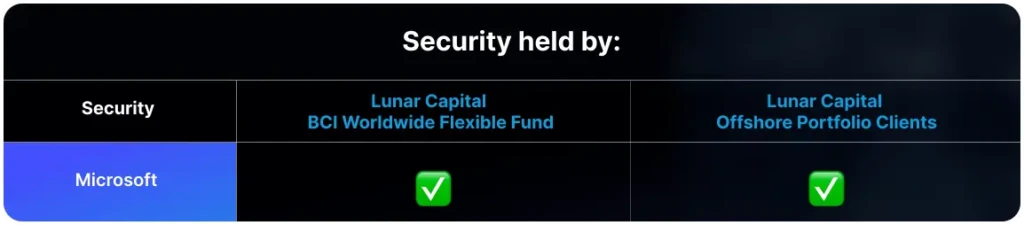
Microsoft’s gaming division remains a relatively small contributor to the broader group, generating roughly 8-10% of total revenue. Despite its profile, it lags Microsoft’s core productivity and cloud businesses.
The business itself is in transition. The traditional console model (selling hardware at low or negative margins to build an installed base and monetising through game sales) has come under pressure. Rising input costs, particularly for components such as memory, have made consoles more expensive to produce, while longer upgrade cycles from clients, limit how quickly these costs can be recovered.
At the same time, the software side has become more challenging. AAA game development is increasingly capital intensive, with budgets running into the hundreds of millions of dollars, and development cycles typically stretching 5-6 years, and in some cases much longer. These are effectively large, upfront bets with limited visibility on demand, where outcomes are heavily dependent on execution, timing, and market reception.
Microsoft’s strategic response has centred on subscriptions, particularly Game Pass. The acquisition of Activision Blizzard in 2023 for just under $70 billion was meant to accelerate this shift by bringing a portfolio of proven, high-revenue franchises into a recurring revenue model. The intention was to drive scale, increase engagement, and smooth earnings over time.
However, adoption has been less straightforward. Gaming behaviour is highly fragmented, with players often focused on specific genres or even individual titles. This limits the effectiveness of bundling large libraries into a single service. Within Game Pass, success is driven by engagement (specifically the share of total hours played) rather than ownership. Efforts to improve profitability through subscription price increases have led to some user churn, highlighting the sensitivity of the customer base and the difficulty of balancing scale with monetisation.
Traditional game sales still matter. At $60-$80 per title, unit volumes remain central to performance, but the risk profile has increased due to rising development costs and longer development times. This creates a less predictable earnings profile compared to Microsoft’s other segments.
One structural advantage remains platform stickiness. Console ecosystems tend to carry users across generations due to digital libraries, social networks, and familiarity. This provides some continuity in the installed base, although increasing cross-platform play is gradually weakening these barriers.
Microsoft’s gaming business is navigating a shift away from a hardware-led model toward a service-oriented one, against a backdrop of rising costs and fragmented demand. While the opportunity is significant, execution risk remains high, and the path to durable profitability is still being defined.
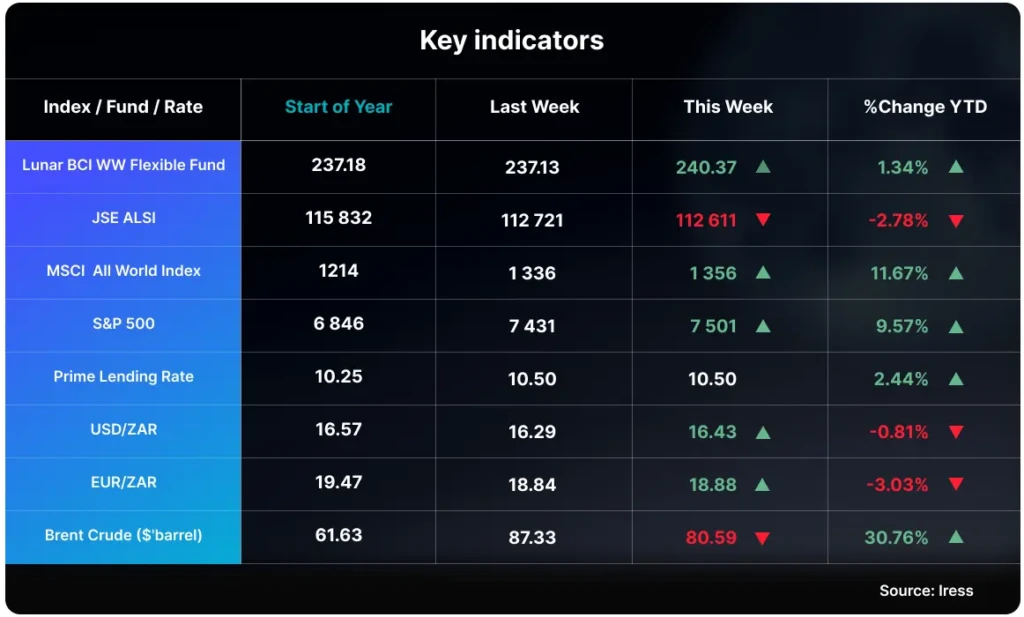
Click here to access your account to view statements, obtain tax certificates, add or make changes to your investments.
Our email address is: [email protected]
Disclosures
Lunar Capital (Pty) Ltd is a registered Financial Services Provider. FSP (46567)
Read our full Disclosure statement: https://lunarcapital.co.za/disclosures/
Our Privacy Notice: https://lunarcapital.co.za/privacy-policy/
The Lunar FR Worldwide Flexible Fund Fact Sheet can be read here.
This stocktake is prepared for the clients of Lunar Capital (Pty) Ltd. This stocktake does not constitute financial advice and is generated for information purposes only.